Early Ayurvedic Signs of Weak Kidneys You Shouldn’t Ignore

Introduction
Our kidneys play an indispensable role in keeping us healthy, filtering waste from the blood, regulating blood pressure, balancing electrolytes, and ensuring proper hydration levels. Yet, kidney problems often go unnoticed until it’s too late. In Ayurveda, the signs of kidney weakness are often subtle but critical for maintaining overall health. By recognizing the early Ayurvedic signs of weak kidneys, you can take preventive action to protect your body and restore balance.
Let’s dive into how Ayurveda views kidney health and how to identify the early signs of kidney weakness before they progress into more serious issues.
The Ayurvedic View on Kidney Health
In Ayurveda, the kidneys are associated with the Vata dosha, which governs movement and filtration processes in the body. When Vata becomes imbalanced, it can affect the kidney’s ability to properly filter toxins and manage fluids. This imbalance is often a result of poor lifestyle choices, inadequate hydration, unhealthy eating habits, and stress. Recognizing these imbalances in their early stages can significantly improve kidney health and prevent disease.

Early Ayurvedic Signs of Weak Kidneys
Kidney health is central to overall wellness, and Ayurveda offers natural ways to detect, treat, and prevent kidney issues before they spiral out of control. Here are some common Ayurvedic signs of weak kidneys you shouldn’t ignore:
1. Frequent Urination at Night
Why it happens: Ayurveda links frequent nighttime urination with kidney weakness. When the kidneys aren’t functioning at full capacity, the body struggles to retain and regulate water during the night, leading to an increased need to urinate.
What you can do: Stay hydrated during the day but reduce fluid intake a couple of hours before bed to minimize disruptions in sleep.
2. Puffiness and Swelling
Why it happens: The kidneys are responsible for filtering excess fluid and waste. When they are weakened, fluid accumulates in the body, causing swelling, especially in the ankles, legs, and around the eyes.
What you can do: Support kidney health by incorporating Ayurvedic herbs for kidney health like Punarnava, which is known for its diuretic properties that help reduce fluid retention.
3. Dry Skin and Hair
Why it happens: When your kidneys are not functioning optimally, the body can become dehydrated, leading to dry skin and hair. Ayurveda sees this as a sign of an imbalance in your body’s water element.
What you can do: Hydrate with warm herbal teas and drink plenty of warm water. Regular use of moisturizing oils, like sesame oil, can nourish dry skin, while eating hydrating fruits like papaya can support kidney detox.
4. Low Energy and Fatigue
Why it happens: Fatigue is one of the earliest symptoms of weak kidneys in the early stage. When the kidneys are not filtering toxins effectively, the body’s systems become overwhelmed, leading to a lack of energy.
What you can do: Focus on a balanced diet that supports kidney health, such as eating fruits for kidney detox, and avoid overly processed or salty foods that put stress on the kidneys.
5. Urinary Issues Without Pain
Why it happens: In the early stages of kidney weakness, urinary problems often appear without the typical pain associated with more severe conditions like kidney stones or infections. This lack of pain can make it easy to ignore kidney problems until they worsen.
What you can do: Pay attention to the color, consistency, and frequency of urination. If you notice any changes, it’s time to take action before it progresses.

How to Detect Kidney Weakness Naturally?
Early detection of kidney weakness is crucial for preventing more serious complications. Ayurveda offers various methods for naturally detecting kidney issues, including:
- Pay attention to your energy levels: Persistent fatigue is one of the first signs of weak kidney symptoms Ayurveda.
- Monitor your urination patterns: Unexplained changes, such as increased frequency or nighttime urination, can signal kidney strain.
- Look for swelling: If you notice puffiness around the eyes or ankles, it might indicate that your kidneys are struggling with fluid retention.
By adopting these practices, you can stay ahead of kidney problems and take proactive steps to protect your health.

Ayurvedic Lifestyle Tips for Kidney Health
To help prevent kidney issues, Ayurveda recommends lifestyle practices that support kidney function and detoxification. Here are some tips for maintaining kidney health Ayurveda:
1. Hydration Tips for Kidney Health
What you should do: Drink warm water throughout the day, especially in the morning. Herbal teas made from ginger, cumin, and turmeric are excellent for detoxifying and supporting kidney function.
Why it works: Warm water aids in detoxification, while herbs like turmeric have anti-inflammatory properties that support kidney health.
2. Best Diet for Kidney Health
What you should eat: Incorporate foods that are easy to digest and help cleanse the kidneys. Papaya, apples, and pomegranate are great fruits for kidney detox. Avoid processed foods, excessive salt, and sugary drinks.
Why it works: These foods are not only hydrating but also packed with antioxidants that support kidney health and overall detoxification.
3. Daily Routine for Healthy Kidneys
What you should do: Establish a consistent daily routine (Dinacharya). This includes going to bed early, waking up early, eating at regular intervals, and incorporating moderate physical activity such as yoga or walking.
Why it works: A balanced routine helps maintain body rhythms, promotes detoxification, and supports optimal kidney function.
4. Ayurvedic Herbs for Kidney Health
Top herbs: Punarnava, Gokshura, and Shatavari are powerful herbs that support kidney detox and rejuvenate kidney tissues.
Why it works: These herbs help improve urine flow, reduce swelling, and cleanse toxins from the kidneys, providing natural relief from kidney stress.
Kidney Disease in India: Current Burden
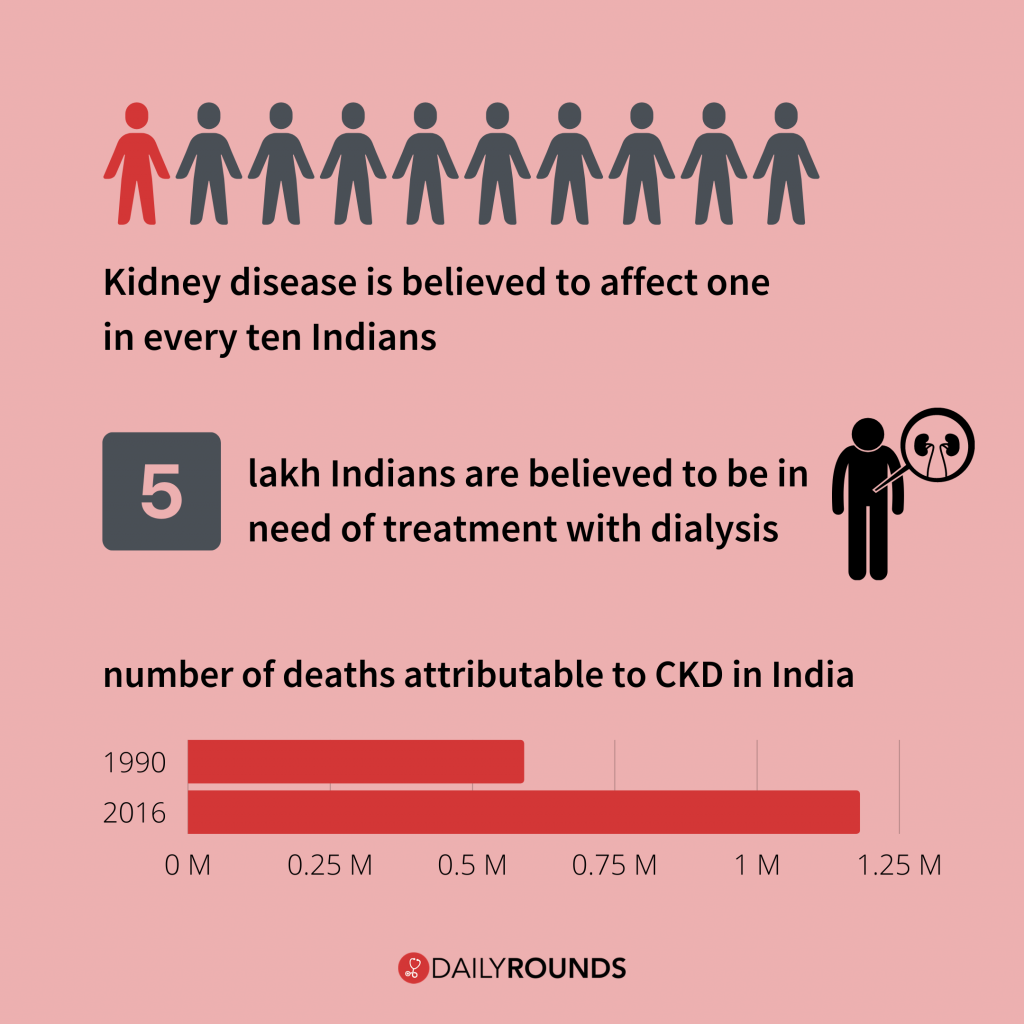
Kidney disease in India is a significant public health issue. Here are some key insights into the current burden of kidney disease in the country:
1. High and Growing Prevalence
Recent systematic reviews estimate that around 13.2% of adults in India are affected by chronic kidney disease (CKD). This prevalence has risen from approximately 11.1% during 2011–2017 to about 16.38% in 2018–2023, indicating a significant upward trend.
2. Large Absolute Numbers
India has one of the highest numbers of CKD patients globally, with estimates suggesting nearly 138 million adults living with some form of chronic kidney disease. This makes India second only to China in total CKD burden worldwide.
3. Rising Mortality and Growing Impact
The overall number of deaths attributable to kidney failure has increased sharply over time in India, reflecting both rising disease prevalence and challenges in early detection and management.
4. Regional and Demographic Variations
Community-based research shows variations in CKD prevalence across rural and urban populations. Some rural studies report prevalence over 16-17%, while others indicate lower levels in certain age groups.
5. Strong Links with Diabetes & Hypertension
A significant portion of CKD cases in India is linked to diabetes and high blood pressure, which are major risk factors for kidney damage and failure.
6. Awareness Gap
Large-scale screening studies suggest that many adults with CKD are unaware of their condition, highlighting a critical challenge in early detection and intervention in India.
These figures underscore that kidney disease in India is a major public health issue, and many cases remain undiagnosed until later stages. This silent progression makes awareness of early signs (like the Ayurvedic indicators discussed in this blog) especially important, because symptoms often emerge only after substantial kidney damage has occurred.
Conclusion
In conclusion, understanding the early warning signs of kidney disease and making small but impactful lifestyle changes can help you maintain healthy kidneys. Recognizing Ayurvedic signs of weak kidneys early on can make all the difference in preventing long-term damage. By following the Ayurvedic principles of hydration, healthy eating, and herbal support, you can naturally enhance kidney health.
At Vedarma, we understand the importance of kidney health and offer products that align with Ayurvedic principles. For those who place their trust in us, our carefully crafted Ayurvedic solutions are designed to support your kidney health and overall well-being. Whether you’re looking for detox products or holistic solutions, explore our products today and give your kidneys the care they deserve. Don’t wait for kidney problems to escalate; BUY NOW and nurture your health with the best of Ayurveda!
For more detailed insights into kidney health, feel free to explore the Vedarma Blog.