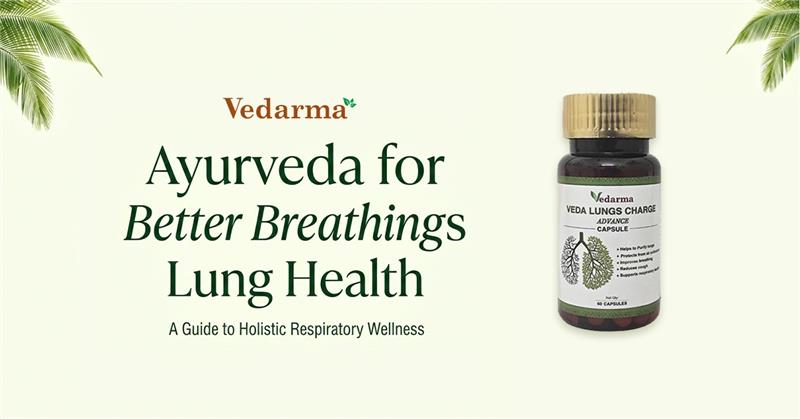
Ayurveda for Better Breathing and Lung Health
Introduction
Modern life is not always kind to our lungs. Pollution, dust, infections, stress and long hours indoors can all make it harder to breathe deeply and feel truly refreshed. Many people are now exploring breathing easier with Ayurveda as a gentle, holistic way to support their lungs and respiratory system.
Ayurveda focuses on balance. When digestion, circulation and the nervous system are in harmony, breath also becomes smoother and more natural. Let us explore how Ayurvedic respiratory health practices and remedies can help you feel lighter, clearer and more at ease with every breath.
How Ayurveda Views Lung and Respiratory Health
In Ayurveda, the lungs and airways are closely linked to Prana, the life force that flows through breath. Healthy Ayurvedic respiratory wellness depends on:
- Clear airways, free from excess mucus
- Strong digestion and metabolism
- Balanced doshas, especially Vata and Kapha
When Kapha becomes heavy or sticky, congestion and phlegm can build up. When Vata is disturbed, breathing may feel shallow, tight or anxious. Supporting Ayurveda for lung health means calming these imbalances and keeping channels open and clean.
Lifestyle and Diet: Foundation of Healthy Lungs
Simple daily habits are often the strongest natural Ayurveda remedies for lungs.
Key tips include:
- Prefer warm water and herbal teas instead of iced drinks
- Eat freshly cooked, light meals instead of heavy, fried or processed foods
- Include spices like ginger, black pepper and turmeric in your cooking for gentle herbal respiratory care
- Get enough sleep so the body can repair and detox naturally
Ayurveda also advises to avoid mucous forming foods when you are congested or prone to cough. This often means reducing excessive dairy, very cold sweets, deep fried snacks and refined sugar, which can make Kapha thicker and more difficult to clear.
These small choices support both digestion and Ayurvedic respiratory health, helping the lungs work with less strain.
Simple Home Practices for Breathing Support
Certain traditional practices are especially helpful for breathing naturally with Ayurveda.
Steam inhalation with Ayurvedic herbs
Gentle steam inhalation with Ayurvedic herbs such as tulsi, eucalyptus, mint or ajwain can help loosen mucus and soothe the airways. Inhale the warm vapour carefully through the nose and mouth for a few minutes, especially during seasons when you feel congested.
Warm oil application and chest care
Rubbing warm herbal oil on the chest and upper back can support circulation and comfort. This fits into broader herbal respiratory care, especially when combined with rest and warm drinks.
Using high quality ayurvedic products for lungs, such as carefully formulated capsules or syrups, alongside these practices can further support Ayurveda for lung capacity and resilience.
Movement, Breath and Yoga for Lung Function
Movement is a powerful way to keep the lungs active and strong. Gentle exercise, daily walks and especially yoga for lung function help improve lung expansion and oxygen exchange.
Useful approaches include:
- Simple asanas that open the chest and ribcage, like Bhujangasana (Cobra) or Setu Bandhasana (Bridge pose)
- Regular pranayama practices, such as Anulom Vilom and Bhramari, to calm the mind and deepen the breath
Combined with diet and herbs, these practices support Ayurveda for lung capacity, allowing you to use more of your natural breathing potential over time.
Ayurvedic Products and Remedies for Lung Support
For many people, daily routines are busy and stressful. In such cases, well designed ayurvedic products for lungs can be a practical way to bring natural Ayurveda remedies for lungs into everyday life.
Good formulations for Ayurvedic respiratory health and Ayurvedic respiratory wellness often contain:
- Herbs that support lung clarity and function
- Ingredients that help the body expel excess mucus
- Botanicals that gently aid detox and immunity
These blends are meant to complement, not replace, healthy habits. If you have chronic respiratory issues or are on medication, always consult a doctor or qualified practitioner before starting new supplements.

Conclusion
Ayurveda offers a gentle, comprehensive path to breathing easier with Ayurveda by combining food choices, lifestyle, herbal respiratory care, yoga for lung function and thoughtful use of ayurvedic products for lungs. Together, they support clearer airways, better Ayurvedic respiratory health, and more ease in every breath.
Vedarma creates carefully crafted formulations for people who place their trust in authentic, natural wellness. For targeted support, we highly recommend Veda Lungs Charge – Lung Detox Ayurvedic Capsules as a focused option for Ayurveda for lung health and ongoing Ayurvedic respiratory wellness.