Why Do All My Joints Hurt Suddenly? Causes & Care
Introduction
Summer brings beach days, vacations, and long hours in the sun, but it also comes with hidden risks. Many people believe tanning is a sign of healthy skin, but understanding the truth behind tanning and sunburn facts can help you protect your skin better.
Let’s break down what really happens when your skin is exposed to the sun and whether tanning is safe or harmful.
Is Tanning Safe or Harmful?
One of the biggest myths about tanning is that a tan protects your skin. In reality, tanning is your skin’s response to damage. When exposed to UV rays, your skin produces more melanin to protect itself, which leads to tanning.
However, this process is a sign of sunburn skin damage already happening beneath the surface. So, if you’re wondering if tanning is safe or harmful, the answer is clear, it’s harmful in the long run.

What Research Says About Sun Exposure?
Research Insight | What It Means |
Even mild tanning indicates DNA damage | Supports how tanning damages skin DNA |
UV exposure is a leading cause of premature aging | Linked to skin aging from sun exposure |
Repeated sunburn increases melanoma risk | Shows how sunburn causes melanoma |
Daily sun exposure accumulates over time | Highlights long term effects of sun exposure |
These findings reinforce the importance of understanding sun exposure dangers early.
How UV Rays Affect Your Skin?
Understanding UV exposure on skin effects is crucial. The sun emits two main types of harmful rays:
UVA vs UVB Effects on Skin
Type | Impact on Skin | Long-Term Risk |
UVA | Causes skin aging from sun exposure and penetrates deep into skin | Wrinkles, premature aging |
UVB | Leads to sunburn skin damage on surface layers | Burns, skin cancer risk |
Both types play a major role in how UV rays affect skin cells and contribute to long-term sun exposure dangers.
How Tanning Damages Skin DNA?
Many people don’t realize how tanning damages skin DNA. UV rays penetrate skin cells and damage their genetic structure. This explains how UV rays affect skin cells and why repeated exposure increases risks.
Cellular Impact of UV Exposure
Skin Layer | Effect of UV Rays |
Epidermis | Causes sunburn skin damage |
Dermis | Leads to skin aging from sun exposure |
DNA Level | Mutation risk → increases chance that sunburn causes melanoma |
This clearly shows why tanning is not just cosmetic, it’s biological damage.
Long-Term Effects of Sun Exposure
The long term effects of sun exposure go beyond just a temporary tan or burn. These include:
- Premature wrinkles and skin aging from sun exposure
- Uneven skin tone and pigmentation
- Loss of elasticity
- Increased risk that sunburn causes melanoma
Long-Term Damage Overview
Effect | Cause |
Wrinkles & aging | Continuous UV exposure on skin effects |
Pigmentation | Melanin overproduction |
Skin weakening | Repeated sunburn skin damage |
Cancer risk | DNA damage from UV rays |
These outcomes highlight serious sun exposure dangers.
Common Myths About Tanning
Let’s clear up a few common myths about tanning:
Myth | Reality |
“A base tan protects skin” | It’s still sunburn skin damage |
“Cloudy days are safe” | UV rays still cause UV exposure on skin effects |
“Only fair skin burns” | All skin types face sun exposure dangers |
How to Prevent Sunburn?
Prevention is always better than cure. Here are simple tips on how to prevent sunburn:
- Use sunscreen with adequate SPF
- Avoid peak sunlight hours
- Wear protective clothing
- Stay hydrated
These habits reduce sun exposure dangers and limit harmful UV exposure on skin effects.
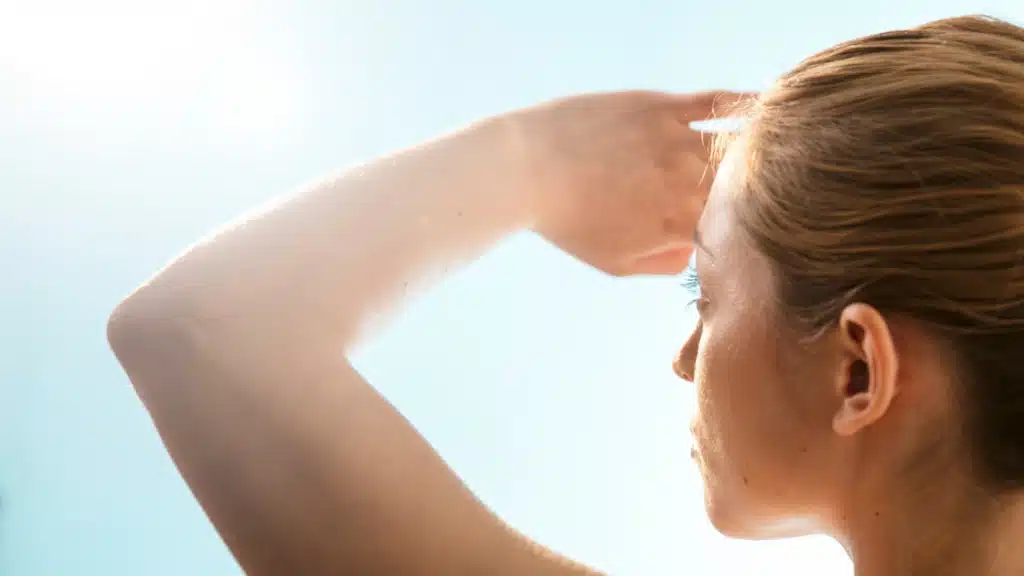
Natural Relief for Sunburn
If you already have sunburn, soothing your skin is important. Natural remedies like aloe vera for sunburn relief are widely trusted for their cooling and healing effects.
Additionally, using antioxidants for sunburn relief helps reduce inflammation and supports recovery from sunburn skin damage.
Natural Skincare Support with Vedarma
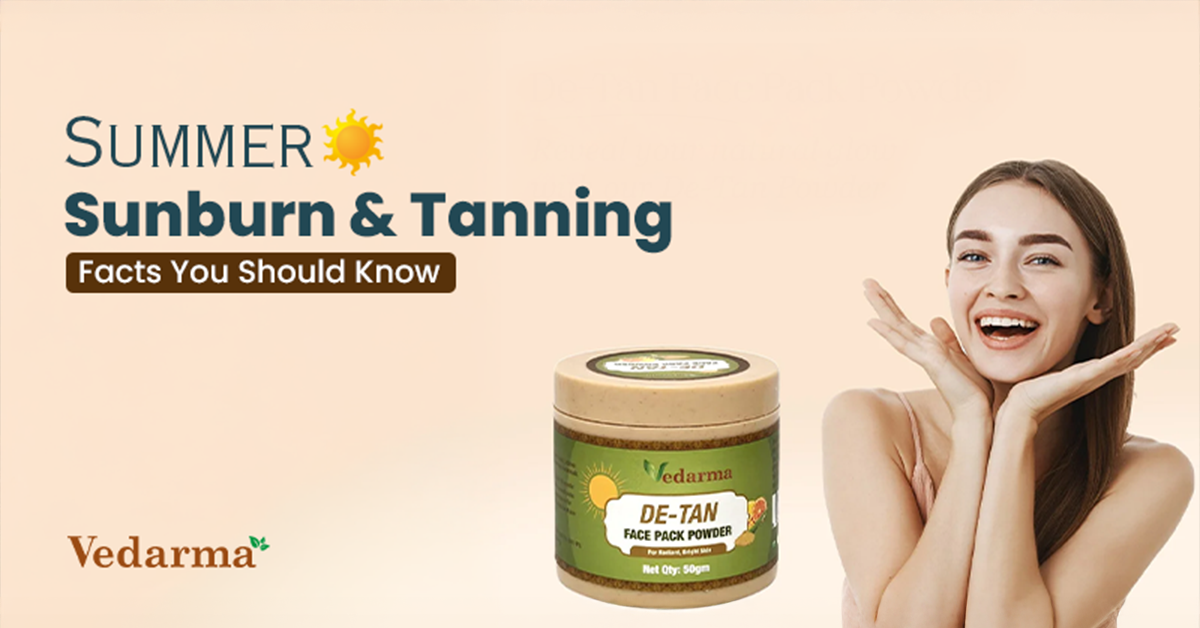
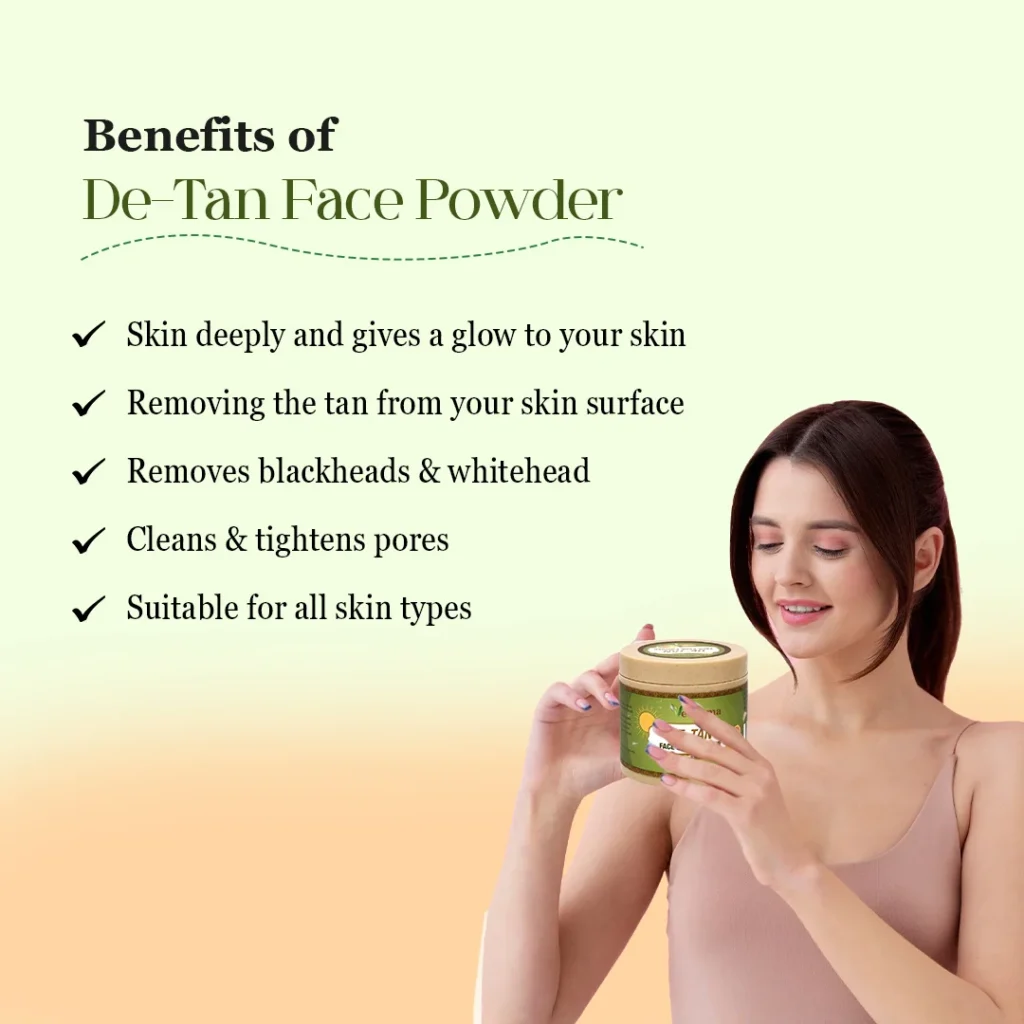
For those dealing with tanning and sun damage, De-Tan Powder by Vedarma is a highly recommended solution. It helps:
- Reduce tanning caused by UV exposure on skin effects
- Improve skin tone and texture
- Support recovery from sunburn skin damage
Its natural formulation makes it ideal for regular skincare.
Conclusion
Understanding the truth behind tanning and sunburn facts is essential for protecting your skin. From learning how tanning damages skin DNA to recognizing the long term effects of sun exposure, awareness is key to prevention.
Whether it’s sunburn that causes melanoma, premature aging, or ongoing sun exposure dangers, taking the right steps can protect your skin in the long run.
Vedarma has earned the trust of many by offering natural and effective skincare solutions. If you’re dealing with tanning or sun damage, their products are a reliable choice.